
 Jane
Jane
Healthy skin often begins with proper exfoliation. Dead skin cells naturally build up on the surface of the face, which can leave the complexion looking dull, uneven, or rough. This is why many skincare routines now include a face exfoliating gel scrub as a regular step. These formulas are designed to gently lift away buildup while helping the skin appear brighter and smoother.
Unlike traditional scrubs that rely heavily on rough particles, many modern gel formulas use mild chemical exfoliants or soft cellulose fibers that roll away dead skin during massage. The result is a cleaner, fresher surface without excessive irritation. Because of this gentle approach, the exfoliating gel scrub has become a favorite among dermatologists and skincare enthusiasts alike.
Skincare experts and beauty editors frequently highlight the versatility of the exfoliating gel format. It works well for many skin types and often fits easily into both simple and advanced skincare routines. Brands such as Dermalogica, Paula’s Choice, Tatcha, and CeraVe have all developed formulas that show how effective gentle exfoliation can be.
Understanding how these products work, when to use them, and what mistakes to avoid can make a major difference in results. The sections below explore the benefits of exfoliating gel formulas, how to use them correctly, and common skincare habits that may prevent them from working as intended.
What Is An Exfoliating Gel Scrub For Face
An exfoliating face gel scrub is a skincare product designed to remove dead skin cells with a lightweight gel texture. Instead of harsh grains or rough beads, many formulas use cellulose, enzymes, or mild acids that react with the skin during massage.
When applied and gently rubbed into the skin, the gel often forms tiny flakes or particles. These particles help lift away buildup, oil residue, and dull surface cells. The process can leave the skin looking smoother and more refreshed.
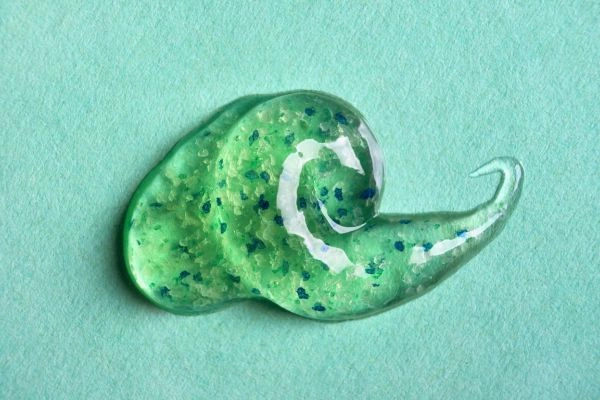
Many skincare professionals prefer gel exfoliation because it offers a softer alternative to traditional scrubs. The gel texture spreads easily across the face and usually rinses away without leaving residue. This makes it easier to control pressure and reduce irritation.
Another reason these formulas have gained popularity is their compatibility with modern skincare routines. Many exfoliating gel products are designed to work alongside serums, moisturizers, and sunscreen without disrupting the skin barrier.
Benefits Of Using An Exfoliating Gel Scrub
Smoother Skin Texture
One of the most noticeable benefits of using an exfoliating gel scrub is smoother skin. Dead skin cells often accumulate on the face’s surface, creating rough patches and an uneven texture.
Regular exfoliation helps remove this buildup, allowing newer skin cells to become visible. As a result, the face often feels softer and looks more polished.
Smoother skin can also improve the performance of other skincare products. Serums and moisturizers may be absorbed more effectively once the outer layer of dead skin cells has been cleared away.
Over time, this improvement in texture can contribute to a more refined and balanced complexion.
Brighter And More Radiant Appearance
Another key benefit is improved brightness. Dullness often occurs when dead skin cells scatter light unevenly across the skin’s surface.
By removing these cells, an exfoliating gel allows the skin to reflect light more evenly. This creates a healthier and more radiant appearance.
Many people notice that their skin tone looks clearer after consistent exfoliation. The face can appear more vibrant and refreshed even without makeup.
This is one reason exfoliation is often recommended before special events or photos.
Helps Prevent Clogged Pores
Dead skin cells can mix with oil and debris, potentially clogging pores. When this happens, blackheads and breakouts may become more common.
A gentle exfoliating gel helps remove the buildup that contributes to these blockages. This keeps pores clearer and supports a smoother overall appearance.
Many formulas also include ingredients such as salicylic acid or fruit enzymes that help dissolve excess oil. These ingredients make the exfoliation process even more effective.
When used correctly, this step can support healthier-looking skin and fewer visible blemishes.
Supports Better Makeup Application
Makeup often sits unevenly on rough or flaky skin. Foundation can cling to dry patches and emphasize texture.
Exfoliation helps create a smoother surface so makeup glides on more evenly. This can make foundation, concealer, and powder appear more natural.
A gentle exfoliating gel is especially useful before applying makeup on event days or long days. The skin tends to look more balanced and hydrated afterward.
Many makeup artists recommend mild exfoliation as part of a preparation routine.
How An Exfoliating Gel Works On The Skin
Most exfoliating gel formulas rely on a combination of physical and chemical processes. During application, the gel is massaged across the skin using light circular motions.
As this happens, certain ingredients interact with oils and dead skin cells. This interaction forms small particles that roll across the skin’s surface.

These particles lift away buildup without the need for sharp exfoliating grains. Because the motion is gentle, the risk of skin scratching is lower than with traditional scrubs.
Some formulas also contain enzymes from fruits such as papaya or pineapple. These enzymes help break down dead skin proteins, making them easier to remove during cleansing.
How To Use Exfoliating Gel Scrub For Face Correctly
Start With Clean Skin
Before applying any exfoliating product, the face should be washed with a gentle cleanser. This removes surface dirt, oil, and makeup.
Clean skin allows the exfoliating gel to work more effectively. The formula can interact directly with dead skin cells rather than leftover debris.
After cleansing, the face should remain slightly damp or lightly dried, as directed by the product. Some gels work best on dry skin, while others activate with water.
Following these directions helps ensure the exfoliation process works as intended.
Apply A Small Amount
A small amount of product is usually enough for the entire face. Excess product does not necessarily improve results and may increase irritation.
The gel should be spread evenly across the skin. Gentle circular motions help activate the exfoliating ingredients.
Pressure should remain light. Scrubbing too aggressively can damage the skin barrier and cause redness.
Most dermatologists recommend limiting the massage process to about 30 seconds.
Rinse And Moisturize
After exfoliation, rinse the face thoroughly with lukewarm water. This removes both the gel and the loosened skin cells.
Once the skin is dry, applying a moisturizer helps restore hydration. Exfoliation can temporarily increase moisture loss if the skin is left untreated.
A lightweight hydrating cream or serum helps support the skin barrier. Sunscreen is also important during the day because freshly exfoliated skin can be more sensitive to sunlight.
These final steps help maintain balance and comfort.
Choosing The Right Exfoliating Gel For Your Skin
Not every exfoliating gel formula works the same way. Different ingredients target different skin concerns.
For example, some formulas rely on enzymes for mild exfoliation. Others include salicylic acid or lactic acid to support deeper exfoliation.
Brands such as Murad and Kate Somerville often combine chemical and physical exfoliants to create more comprehensive treatments.
Skin type should guide the selection process. Sensitive skin may benefit from enzyme-based formulas, while oily or acne-prone skin may respond better to products containing salicylic acid.
Understanding the ingredients helps prevent irritation and improves overall results.
Common Mistakes To Avoid
Over-Exfoliating the Skin
A frequent mistake is exfoliating the skin too often. While exfoliation can improve skin texture, excessive use can damage the skin barrier.
Over-exfoliation may lead to redness, dryness, or increased sensitivity. In some cases, the skin may produce more oil to compensate for irritation.
Skincare experts usually suggest exfoliating just two to three times a week. Individuals with sensitive skin may benefit from even less frequent use.
Consistency matters more than frequency.
Using Too Much Pressure
Another mistake is applying too much pressure during a massage. Many people assume stronger scrubbing leads to better results.
In reality, harsh rubbing can cause micro irritation and weaken the skin barrier. Gentle circular movements are more than enough to activate an exfoliating gel.
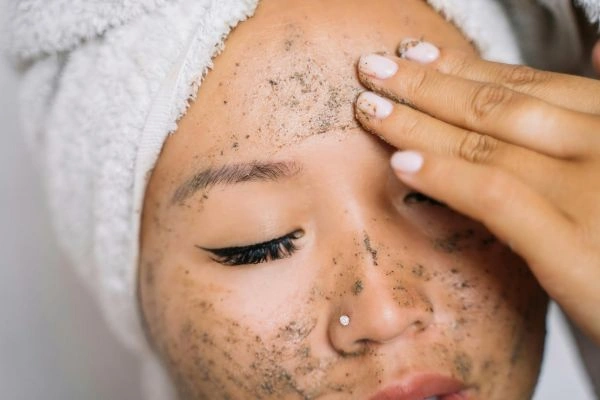
The goal is to loosen dead skin cells rather than aggressively remove them. A light touch protects the skin while still delivering benefits.
Patience produces better long-term results.
Skipping Moisturizer After Exfoliation
Exfoliation temporarily removes part of the skin’s protective layer. Without proper hydration, the skin may feel tight or dry afterward.
Applying moisturizer helps replenish lost hydration and strengthen the skin barrier. Products containing ceramides or hyaluronic acid can be especially helpful.
Brands such as La Roche-Posay often include barrier-supporting ingredients that help soothe freshly exfoliated skin.
This step is essential for maintaining balanced and comfortable skin.
Who Should Use Exfoliating Gel Scrub
An exfoliating gel scrub can benefit many different skin types. However, exfoliation routines should be adjusted to fit each person’s unique skin needs.
People with dull or rough skin often see noticeable improvements after adding exfoliation to their routine. Removing dead skin cells helps reveal smoother layers underneath.
Those with oily or acne-prone skin may also benefit from exfoliation. Clearing away buildup can help reduce clogged pores and improve overall clarity.
However, individuals with very sensitive or irritated skin should introduce exfoliation gradually. Consulting a dermatologist can help determine the safest approach.
Popular Skincare Brands Known For Gentle Exfoliating Gel Formulas
Several internationally recognized skincare brands have developed exfoliating gel products that receive strong reviews from beauty editors and dermatologists.
Examples include:
- Cure is known for its popular Aqua Gel exfoliant
- Professional estheticians widely use Dermalogica
- Paula’s Choice recognized for ingredient transparency
- Traditional Japanese beauty rituals inspire Tatcha
- CeraVe is known for dermatologist-developed formulas
These brands illustrate how modern exfoliating gel technology has evolved toward gentler, more skin-friendly approaches.
Frequently Asked Questions
- How Often Should Exfoliating Gel Scrub Be Used?
Most skincare experts recommend using an exfoliating gel two to three times per week. Sensitive skin may benefit from once-weekly use.
Consistency is more important than frequency. Exfoliating too frequently can cause skin irritation and dryness.
- Can Exfoliating Gel Help With Acne?
Exfoliating gel can help clear skin by removing dead cells and preventing clogged pores. Formulas containing salicylic acid are often especially helpful.
However, acne treatment usually requires a combination of skincare products.
- Is Exfoliating Gel Suitable For Sensitive Skin?
Many exfoliating gel formulas are designed specifically for sensitive skin. Enzyme-based products tend to be gentler than traditional scrubs.
Choosing fragrance-free and alcohol-free formulas may reduce irritation.
- Should Exfoliating Gel Be Used Before Or After Cleansing?
Most dermatologists recommend cleansing the face first. Clean skin allows the exfoliating gel to work more effectively.
After exfoliation, apply moisturizer and sunscreen.
- Can Exfoliating Gel Replace Other Scrubs?
In many cases, yes. Gel exfoliants often provide similar benefits with less irritation than coarse scrubs.
This makes them a popular alternative in modern skincare routines.
Key Takeaways for Healthier Skin
An exfoliating face gel scrub can be a valuable addition to many skincare routines. By gently removing dead skin cells, these formulas help improve texture, brightness, and overall clarity.
Understanding how exfoliating gel products work helps achieve better results and avoid skincare mistakes. Choosing the right formula and using it consistently can make a noticeable difference in skin appearance.
With careful use and proper hydration afterward, exfoliation becomes a simple step that supports healthier-looking skin over time.